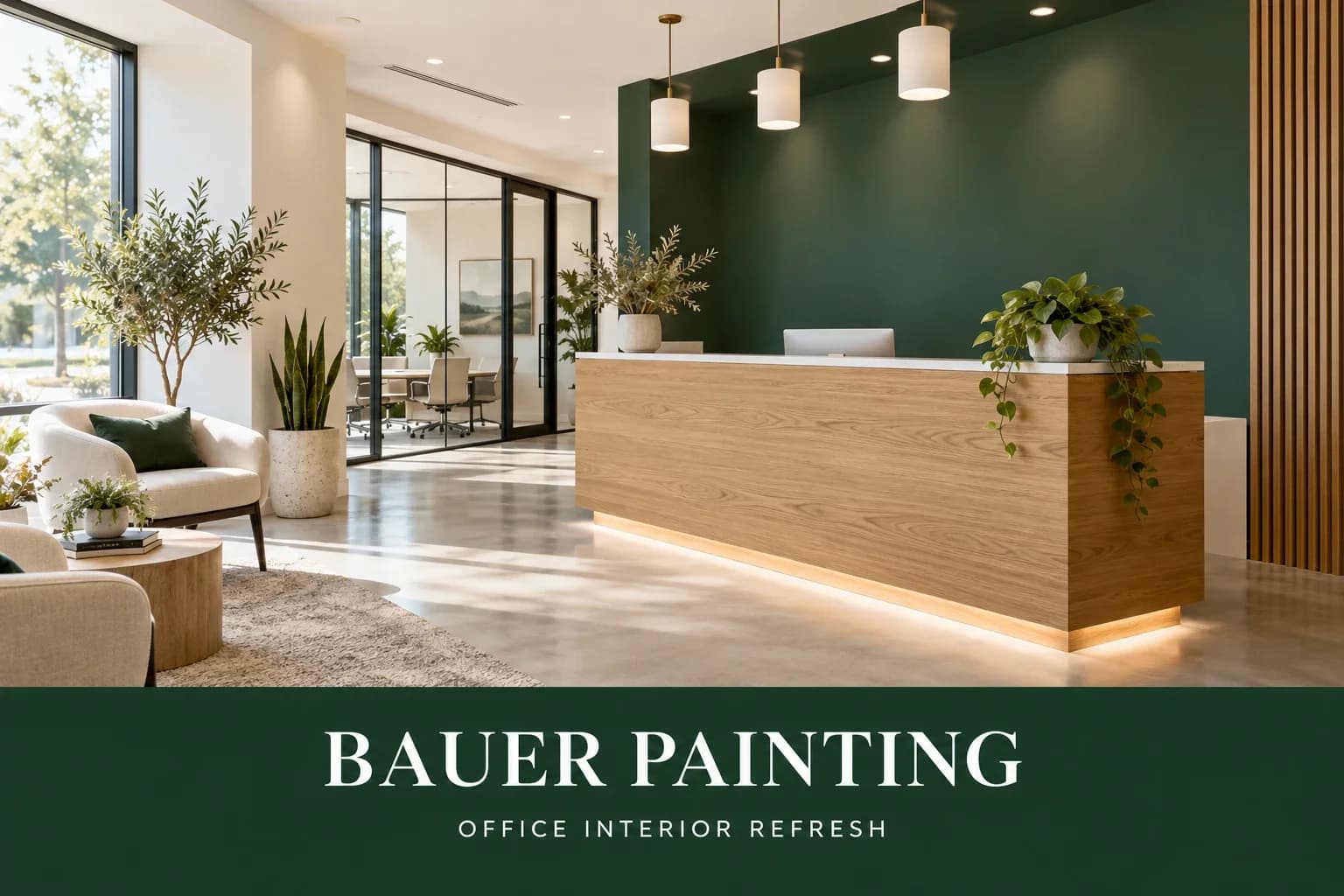
An office can look tired for several different reasons. A corridor may receive repeated contact from bags and equipment, while a meeting room has uneven touch-ups and a reception area looks different after a lighting change. These observations should lead to specific questions about preparation, finishes and access rather than a single instruction to repaint everything.
For office managers and commercial property teams in Toronto, Mississauga and the Greater Toronto Area, a useful refresh begins with a room-by-room review. This guide explains five signs to assess, what to record, and how to turn the findings into a brief for commercial office painting. It also covers colour approval, product information, scheduling and handover so the finished work remains easier to maintain.
Sign 1: Cleaning no longer restores the office walls
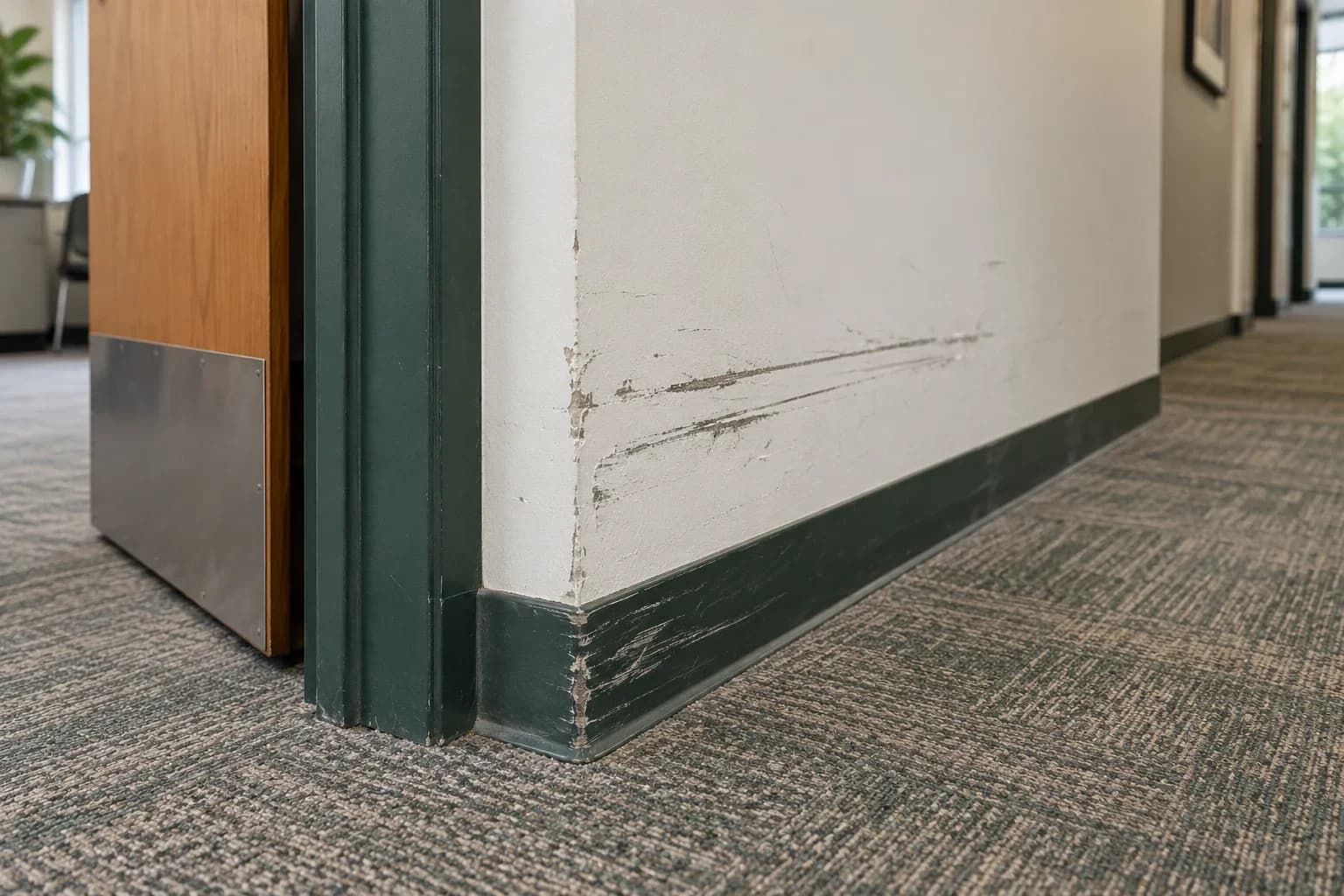
Consider repainting when marks remain after appropriate cleaning, the finish has worn through, or repeated cleaning changes its appearance. First confirm the existing product's cleaning guidance and the condition of the wall. A dirty but intact finish may need a different maintenance response from a coating that is visibly worn or separating.
Record where the marks occur. Reception queues, chair backs, switch plates, doorways and circulation routes can experience different kinds of contact. Distinguish an occasional scuff from a repeated abrasion point. The pattern helps define which surfaces need a more suitable coating, which details need protection, and whether a smaller room or corridor stage will address the immediate problem.
Do not use increasingly aggressive cleaning as the only test of durability. Ask the product supplier or contractor about suitable methods before damaging an otherwise serviceable finish. If maintenance teams cannot identify the product, include that uncertainty in the assessment. The next specification should make cleaning and care information available to the people who will maintain the space.
Sign 2: Patches and touch-ups are becoming conspicuous
Visible repairs can justify a larger repaint when differences in texture, colour or sheen remain obvious across an otherwise continuous wall. A patch may look acceptable from one position and become prominent under side lighting. Assess the repaired area in its usual lighting rather than relying on a close photograph taken directly in front of it.
Separate the cause of the repair from its final appearance. A filled opening after a furniture change is different from a crack that keeps returning. Record old touch-ups, filled fixings, surface damage and any areas where an earlier coating is lifting. Ask the contractor how preparation, priming and the proposed finish will produce a consistent appearance across the agreed surface.
Where a uniform blend is important, compare a spot repair with repainting the wall from one natural boundary to another. A new paint sample cannot guarantee an invisible match to an aged finish. Define an acceptance area and review it with the decision-maker before extending the same treatment throughout a floor. This gives the office team a clear basis for approving both appearance and scope.
Sign 3: Colours no longer suit the lighting or workspace
An office colour refresh may be appropriate when the existing palette conflicts with new lighting, furnishings, signage or the intended presentation of the space. This is an appearance and design decision, not evidence that the coating has failed. Identify the reason for the change so the proposal can focus on the rooms and surfaces that actually need it.
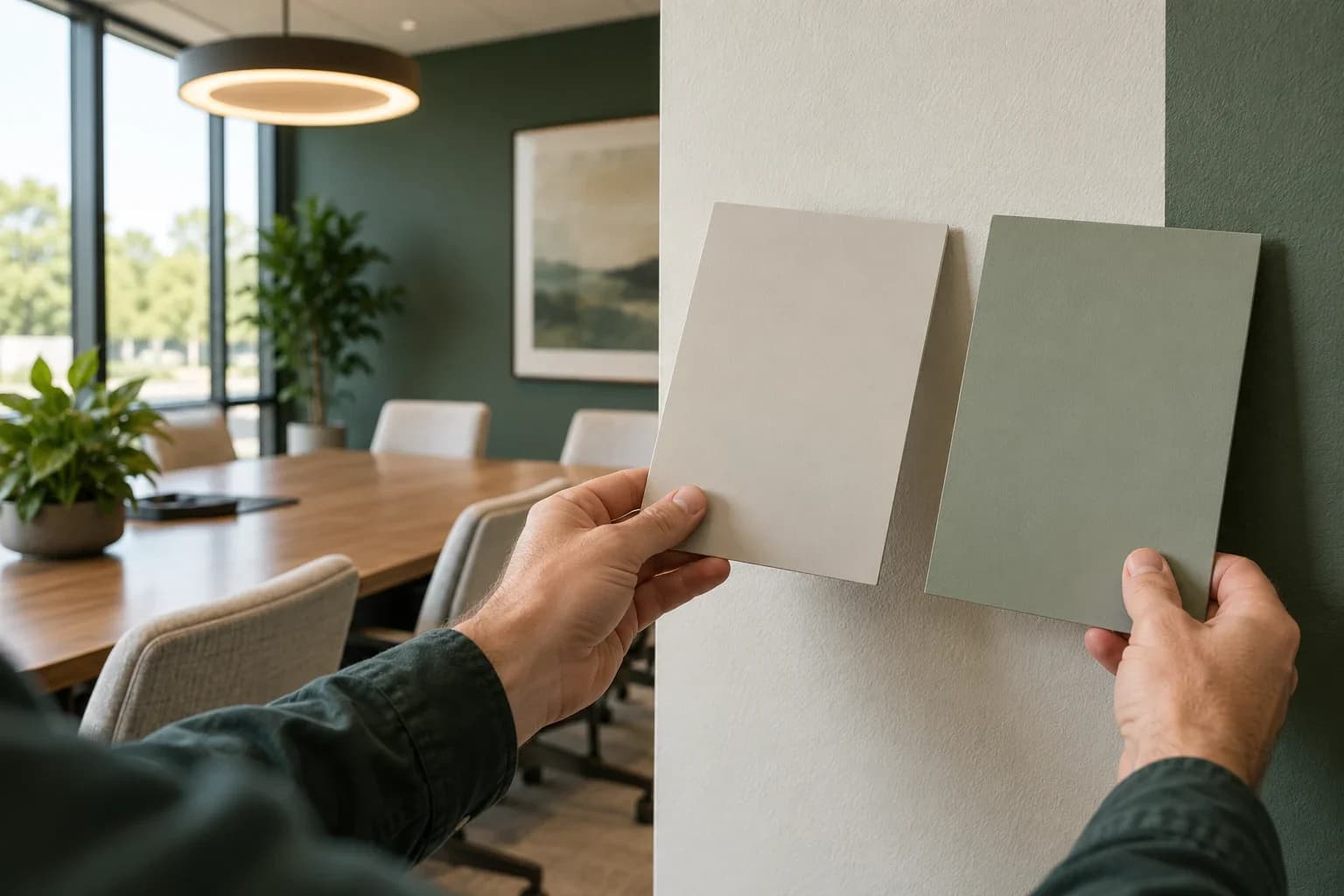
Review physical samples in the office. Daylight, installed lighting, adjoining materials and surface texture affect how a colour is perceived. A small screen image is useful for gathering initial preferences, but it should not be the final colour approval. Compare samples at relevant times of day and from the positions where staff and visitors will normally see them.
Record the approved product, colour reference and sheen together. Compare finish samples under the office’s actual lighting, including repaired areas and walls beside windows. Then check the proposed coating against the expected cleaning routine and contact. Appearance, substrate condition and maintenance requirements should all inform approval; a sheen name by itself does not establish a product’s suitability for a working office.
Avoid unsupported claims that a particular colour will automatically increase productivity or improve everyone's wellbeing. A stronger brief describes concrete needs: a consistent brand palette, a less distracting meeting-room background, clearer room identity or a reception that works with its existing finishes. Those requirements can be reviewed and approved without promising a universal psychological effect.
Sign 4: Damage suggests a maintenance problem beyond paint
Water marks, bubbling, recurring cracks and deteriorated substrate should be investigated before the affected area is repainted. A fresh coating does not establish that a leak, dampness or movement problem has been corrected. Identify the relevant building or facilities specialist and clarify who will confirm the repair and surface readiness.
Keep the observations specific. Record the room, wall, approximate extent and whether the mark changes over time or after a weather event. Supply both a close photograph and a wider view that shows context. Where the condition repeats, include the previous repair history if available. This information helps the assessor ask better questions without presenting a photograph as a complete diagnosis.
Painting preparation and repair by other trades should be separated in the quotation. If the building needs investigation before work can proceed, make that dependency visible in the schedule. Older or unknown materials may also require assessment before disturbance. The CCOHS painter guidance provides general background on the range of material and work-area hazards involved in painting; the actual office needs its own review.
Sign 5: A business change creates a practical repainting window
A move, lease-space handover, furniture replacement or planned closure can create a useful opportunity to review office painting. The reason is practical access: surfaces may be easier to reach before equipment and furniture are installed. The opportunity should still be matched to condition, approval deadlines and the work that needs to happen before and after painting.
List the fixed milestones early. These may include IT installation, flooring, signage, furniture delivery, cleaning and the date staff are expected back. Ask which activities can overlap and which need a clear sequence. A calendar showing only the final opening date leaves too much uncertainty about room release, colour approval and the time the selected products require.
For an occupied office, a business change may support several smaller stages rather than one full closure. Compare the operational consequences and repeated setup involved. A quieter work period does not automatically make every product or method suitable beside occupants. Discuss the actual rooms, work windows and building systems before agreeing what can remain in use.
Does every room need repainting at the same time?
No. Review the office by room, surface and condition, then compare a phased refresh with a wider project. A worn corridor, a reception colour change and a sound back office can have different priorities. The decision should consider appearance continuity, access, protection, repeated setup and how the property will be maintained after the work.
Use a simple room register: room name, walls and other surfaces included, visible defects, proposed action, access restrictions and the person approving the finish. Mark retained areas as clearly as painted areas. This prevents a partial refresh from becoming a disagreement about rooms that the owner assumed were included but the contractor never priced.
For Toronto commercial properties, Mississauga offices and Oakville business premises, give the contractor the actual project address and building rules. The municipality does not explain service-elevator arrangements, parking, security or shared corridors. Those details need to be included in the site brief rather than inferred from a general location page.
How should you choose finishes for different office areas?
Select the coating system for the substrate, expected contact, cleaning routine and required appearance. A reception wall, door frame and meeting-room ceiling do not automatically need the same product or sheen. Ask for the proposed products by area and an explanation of how they fit the office's actual use.
Discuss maintenance with the people who perform it. Which surfaces are cleaned frequently? What products and methods are used? Where do bags, chairs or equipment repeatedly contact the walls? A useful specification connects those conditions with preparation and product selection. It does not rely on a general description such as premium paint or assume that the highest sheen is always the best answer.
Our guide to commercial paint finishes in high-traffic areas covers this decision in more detail. If lower-odour options are a priority, review our low-VOC commercial painting service as part of the discussion. Product selection still needs to address the surface, cleaning, work method and conditions for returning the area to use.
Can staff remain in the office during repainting?
Sometimes, but an occupied-office plan must establish which areas can be released, what work will happen, and which controls and restrictions are needed. After-hours work can reduce contact with normal operations, but it does not guarantee an immediate next-morning return to every room. Confirm the actual product directions and building requirements before announcing a reopening time.
The CCOHS indoor air quality guidance explains that painting can affect workplace air and may require additional ventilation measures. Coordinate any changes through the people responsible for the building systems. Lower odour is not a substitute for a suitable work plan, and the absence of a noticeable smell does not by itself establish that an area is ready for occupancy.
Prepare a protection and responsibility list for desks, computers, confidential papers, artwork and fixed equipment. Identify who moves items, who provides access and who checks the room before it returns to use. Keep routes and neighbouring occupied areas in the plan. Our occupied-building painting guide explains the wider sequencing questions without promising that every project can proceed with no closures.
What is the difference between drying and curing?
Drying, recoating, handling and full cure describe different stages. A surface that feels dry may not yet be ready for cleaning, furniture contact or normal service. Ask for the selected product's directions rather than transferring a drying time from another brand or another room. Temperature, humidity and airflow can also affect the programme.
At handover, distinguish the surface being dry to touch from being ready for cleaning, furniture contact and normal use. Ask which activities can resume, what restrictions remain and when routine cleaning should start for the exact coating applied. Keep these instructions with the product and colour record. Share them with the facilities and cleaning teams before the area returns to its normal maintenance routine.
What should you send for an office repainting quote?
Start with a concise written brief and photographs. The aim is to make the same rooms, surfaces and constraints visible to everyone preparing a proposal. You do not need to choose the technical system in advance, but you should identify the outcomes that matter and the decisions that remain open.
Project address, building contact and the areas available for assessment.
Rooms and surfaces to include, such as walls, ceilings, doors, frames and trim.
Photographs of wear, repairs, stains and existing finishes.
Known material or moisture issues and any investigation already completed.
Furniture, technology and document-protection responsibilities.
Working hours, security arrangements and building-management restrictions.
Colour and sample approvals, preferred timing and linked fit-out activities.
Completion checks, product records and maintenance instructions required.
Ask each contractor to identify preparation, repairs included, exclusions, proposed products, access and assumptions. A price based on an empty office is not directly comparable with one that includes staged protection around occupied desks. Confirm how changes will be approved and who has authority to accept additional work, especially where landlord, tenant and office manager are different people.
How should an office repaint be checked at handover?
Review the agreed surfaces in the lighting normally used in the office. Check finish consistency, visible repairs, edges, colour and sheen against the approved sample and scope. Record items needing attention with the contractor and agree the next action. Confirm that protection has been removed appropriately and the area is being returned under the agreed conditions.
Keep the product names, colour references, sheen, rooms painted and care guidance in one maintenance file. Record any areas retained for a later stage. A clearly documented refresh helps the next person maintain the office without guessing which finish was used or assuming every wall received the same treatment.
Take the next step with a defined office painting brief
Review the five signs, identify the priority rooms and gather the location, photographs and operational constraints. Use our painting process to prepare for the assessment, and learn more about the Bauer Painting team. A good discussion should clarify the surfaces, preparation, finish approvals and working arrangements before a schedule is promised.
Contact Bauer Painting about your office repaint with the project address and the changes you want to make. Whether the priority is a reception refresh, visible patch repairs or a staged commercial interior project, a defined brief makes the next decision more practical. The goal is a finish and work plan suited to the actual office, with clear records for the people responsible after handover.
Frequently asked questions
What are the five signs that an office needs repainting?
Assess persistent wear after suitable cleaning, conspicuous patches and touch-ups, colours that no longer suit the workspace, damage needing maintenance review, and business changes that create an access window. The findings should define which surfaces need work rather than automatically including every room.
How often should office walls be repainted?
Use the condition and use of each area rather than a universal interval. A busy corridor may need attention before a lightly used room. Review cleaning performance, repairs, appearance and operational access, then compare local maintenance with a staged or wider repaint.
Does every room need to be repainted at the same time?
No. A room-by-room assessment can identify priority surfaces and areas to retain. Compare appearance continuity, repeated setup, protection and disruption before choosing stages. Record both included and excluded rooms so the scope is clear to everyone approving the work.
Will new paint hide all office wall repairs?
Not necessarily. Differences in texture, porosity and sheen can make repairs noticeable, especially under side lighting. Define preparation and priming, review a suitable sample area, and discuss whether repainting the complete wall will give a more consistent appearance than a small touch-up.
Can an office colour be approved from a phone or computer screen?
Use screens for initial ideas, then approve physical samples in the office. Daylight, installed lighting and adjoining finishes affect perception. Record the approved product, colour reference and sheen together, and review the sample with the person authorized to approve the final appearance.
Does low-VOC paint mean staff can stay beside the painting work?
Not automatically. Product information, the work method, ventilation, protection and the needs of occupants must be considered together. Lower odour does not replace a suitable occupied-office plan. Agree which rooms can be released and the conditions for returning them to use.
Can an office painted over the weekend reopen on Monday?
That must be confirmed for the actual scope, products and building conditions. After-hours working can reduce disruption, but drying, curing, ventilation and handover requirements may limit when a room returns to use. Agree the sequence and any restrictions before promising staff a reopening time.
What is the difference between paint drying and curing?
A finish can feel dry before it reaches its intended service performance. Recoating, handling, furniture contact and cleaning can have different requirements. Follow the selected product guidance and ask for written care instructions so the facilities team knows which activities can resume and when.
Should a water-stained office wall be painted immediately?
Investigate recurring moisture, damaged material or an unresolved leak before repainting. Identify who will complete any necessary repair and confirm surface readiness. Painting should be part of the agreed response after the cause has been assessed, rather than a way to hide an ongoing problem.
What information does Bauer Painting need for an office repainting quote?
Provide the address, room and surface list, photographs of wear or damage, access rules, preferred timing and protection requirements. Include colour decisions, known maintenance issues and other fit-out activities. Ask the quotation to identify preparation, products, exclusions, working assumptions and handover information.

Join the conversation
Have a question or a useful tip? Leave a comment for our team and readers.
Loading comments…