
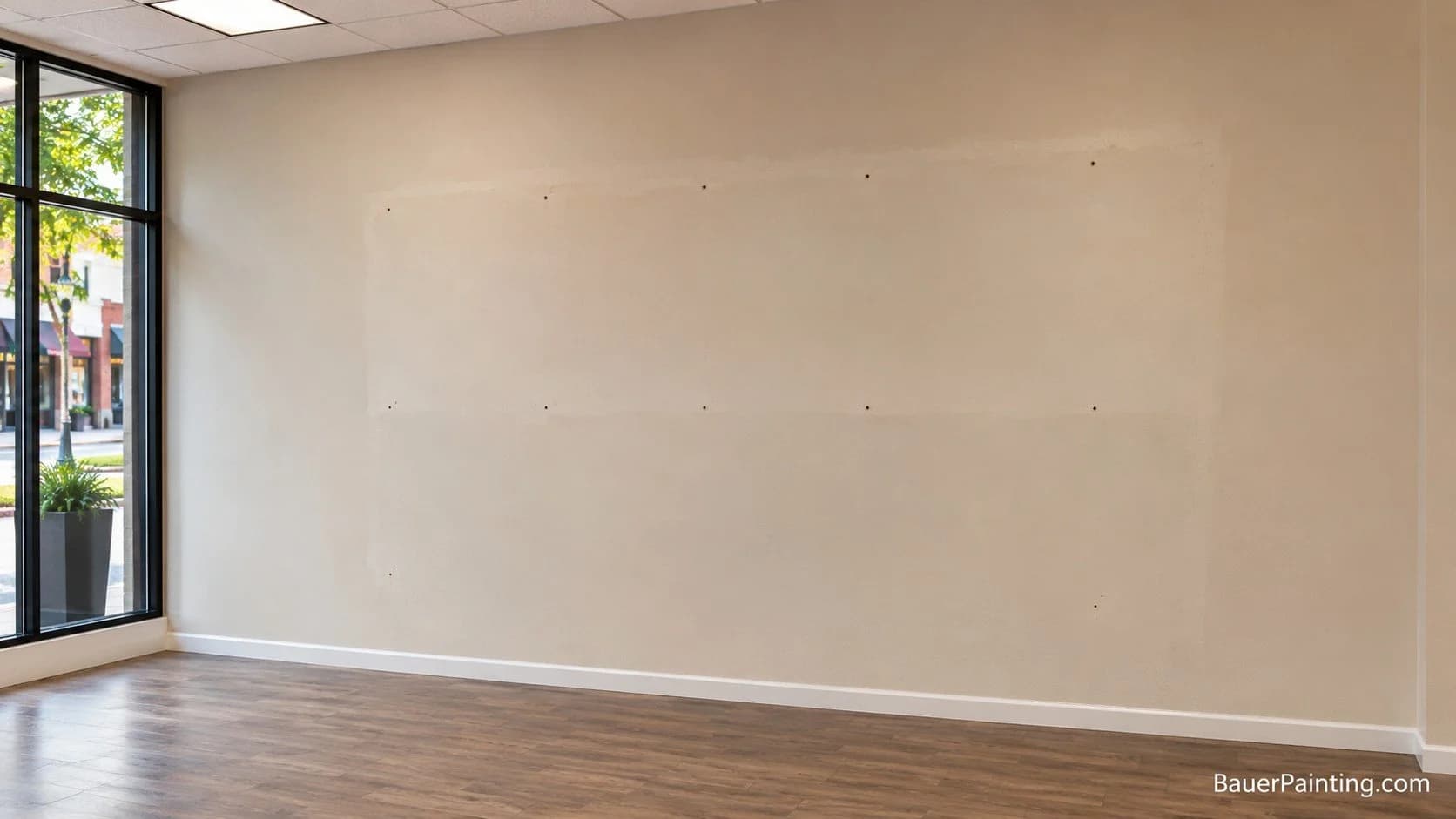
Removing shelving, wall graphics, or display panels can reveal more than fixing holes. A retail wall may have torn facing, adhesive residue, uneven repairs and a different colour behind the old fixture. Assess the exposed surface before approving the repaint, then compare the repair area with the replacement display layout.
At Bauer Painting, our retail interior painting service covers agreed store surfaces and the preparation they need. For a Vaughan retail refit, a useful painting brief starts with what is being removed and what the new layout will leave visible.
This guide focuses on that changeover. It explains how to describe exposed wall conditions, separate decorative work from other repairs and agree the painting limits before new displays hide the surface again.
What Fixture Removal Can Reveal
A wall that looked tidy around a display may have a different condition behind it. Longstanding fixtures can conceal earlier fixings, unfinished patches or a previous colour scheme.
Arrange a review once the relevant surfaces are visible. A preliminary discussion before removal is useful, but the final preparation allowance may depend on what is uncovered.
Look for distinct conditions rather than labelling the whole wall damaged:
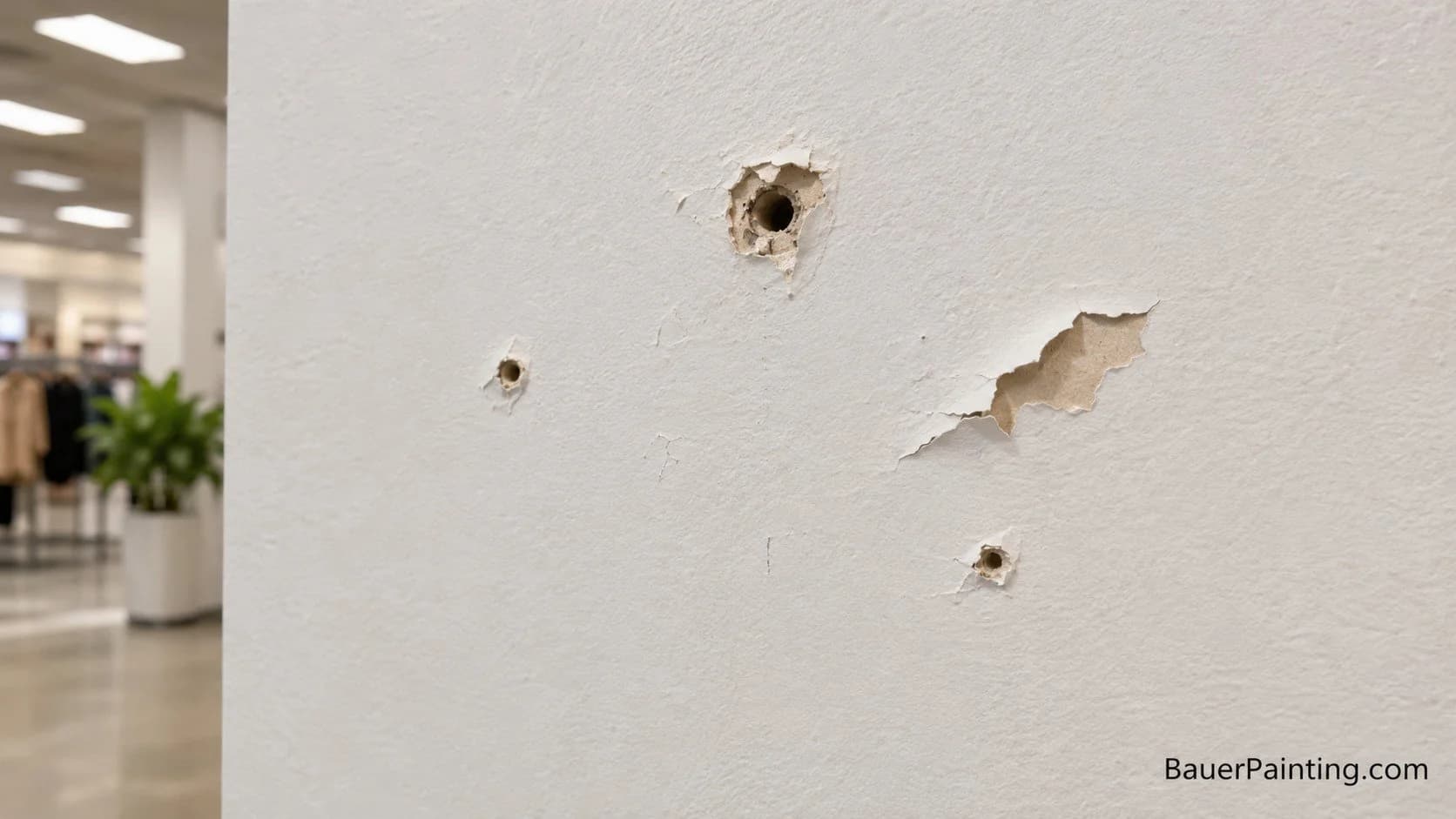
Small fixing holes where shelves or brackets were attached.
Larger openings or broken panel edges.
Torn facing where adhesive-backed material was removed.
Raised adhesive or coating residue.
Old repairs with a different texture.
Lines showing where paint stopped around a fixture.
Staining or moisture concerns requiring investigation.
Photograph the conditions from a safe position and identify the wall. Avoid scraping or removing additional material simply to make the photograph clearer.
A Fixing Hole Is Not the Same as a Damaged Panel
A small opening, torn surface paper and a deeper damaged section may need different repairs. The visible size alone does not establish the complete condition behind the finish.
Ask what the proposed repair covers and what remains subject to assessment. Do not assume a general patching allowance includes replacement panels, concealed support work or changes to the wall assembly.
Keep removed-fixture information where available. Knowing whether an opening came from a small bracket or a larger installation helps explain the enquiry without guessing what is inside the wall.
Adhesive and Old Paint Boundaries Need Separate Attention
Adhesive residue is not simply another colour to cover. The remaining material and its effect on the proposed coating need assessment before application.
A rectangular outline can also have more than one cause. It may be a colour difference, a raised edge, a texture change or a combination. Painting over it does not automatically produce a uniform result.
For background on adhesion and uneven finishes, the Canadian Coatings Association’s common paint problems resource explains why surface condition matters. The actual repair and coating approach should still be selected for your wall.
Confirm What the New Fixtures Will Cover
Review the replacement display plan before setting the final repaint boundary. A new shelf may be shorter, a counter may move or a freestanding unit may expose a wall that was previously hidden.
Compare the old and new positions using a drawing or clearly marked photograph. Identify:
Surfaces that will remain fully visible.
Areas partly hidden by open shelving.
Edges visible beside panels or signage.
Wall sections needed for future fixture installation.
Surfaces outside the current refit.
Do not treat a hidden repair as automatically unnecessary. The wall may still need appropriate repair for its function, and future maintenance access can matter. Decorative visibility and building requirements are separate questions.
For store repainting after shelving removal, this comparison is often more useful than a single measurement of the sales floor. It connects the painting work to the wall surfaces customers and staff will actually see.
Resolve Layout Changes Before Final Coating Approval
If display positions are still changing, record which painting decisions remain open. A wall approved for a limited repair may later need a larger repaint if the replacement fixture exposes more surface.
Ask the fixture team to confirm dimensions and installation positions. Bauer Painting’s painting scope should not be used as a substitute for the display installer’s setting-out information.
Where a change affects completed work, discuss the revised surface extent and preparation rather than assuming it falls within the earlier agreement.
Separate Decorative Repairs from Building-System Repairs
A retail wall may form part of an assembly with requirements beyond appearance. Openings, damaged panels or altered services can need input from the responsible contractor or building representative.
Before treating a defect as a painting repair, clarify whether it involves:
An identified fire-rated assembly.
Electrical fittings or cabling.
Plumbing or water entry.
Fixture support or concealed backing.
Damaged panels rather than only the decorative face.
This does not mean every fixing hole is a major building issue. It means the repair should follow the actual wall construction rather than a visual assumption.
Use the relevant assembly and panel-manufacturer information where panel work is involved. A general paint repair cannot establish that a wall’s required performance has been restored. Ask the responsible project contact to identify the repair requirements before the decorative scope is approved.
Record Unresolved Work Separately
If another trade needs to complete a repair, give that item its own status. State who will assess it and what must be confirmed before the decorative work proceeds.
Avoid signing off the whole wall simply because the visible patch has been filled. Where the wall assembly needs a separate review, complete that decision through the appropriate responsible party.
Once the underlying work is settled, the painting discussion can address the prepared surface, coating and agreed appearance without mixing those responsibilities together.
Agree the Wall Repair and Repainting Limits
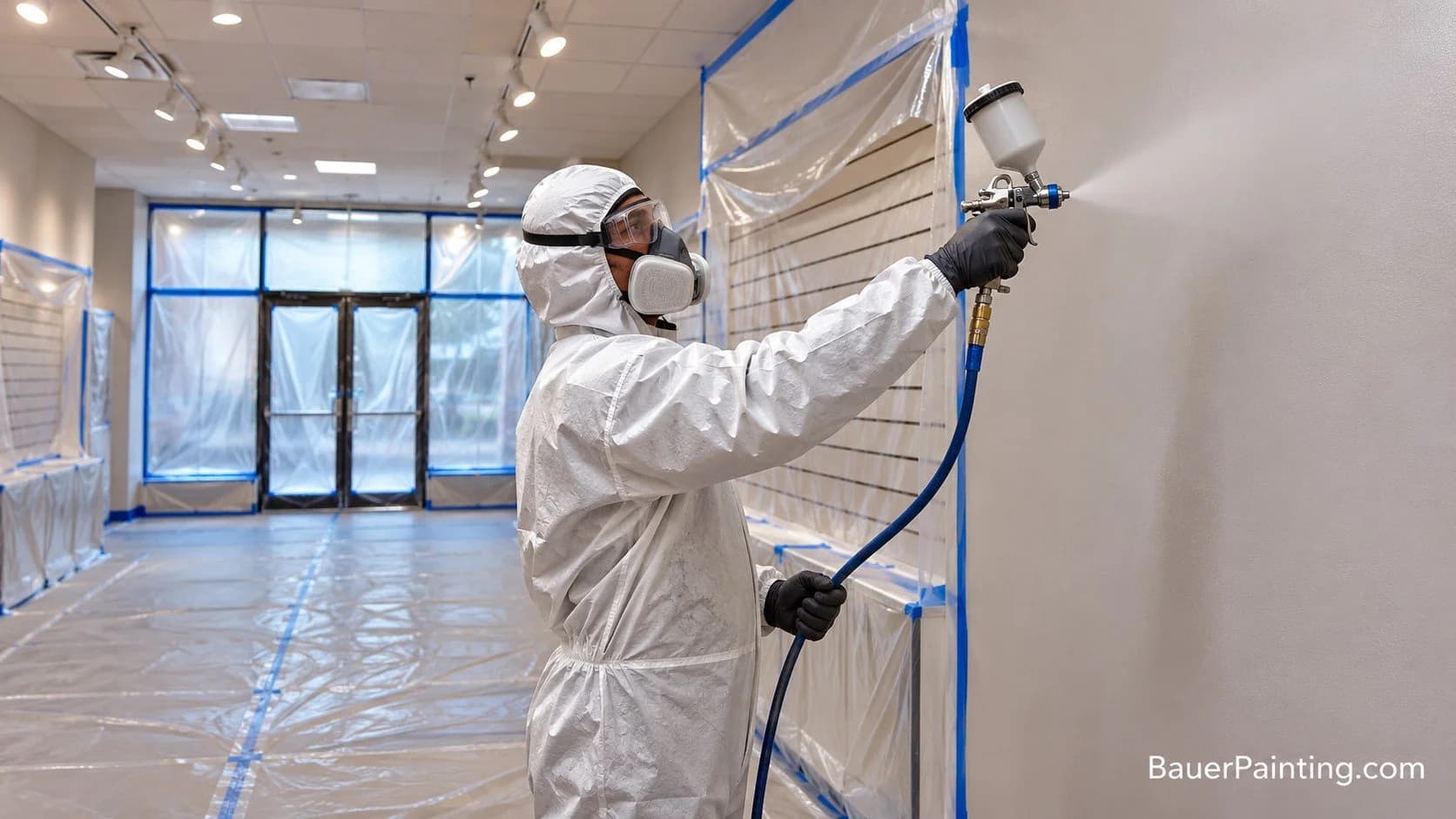
Ask for the quote to distinguish preparation from the extent of the finish coat. A repaired spot and a fully recoated wall are different scopes.
Clarify whether the proposal includes local patching, treatment of exposed facing, assessment of residue, priming where required and recoating to an agreed boundary. Avoid specifying a universal number of coats before the surface and selected product have been considered.
Useful questions include:
Which exposed defects have been assessed?
What preparation is included for each condition?
Are old fixings being removed by the fixture installer or another party?
Where will the repaint stop?
Are adjacent trim and returns included?
What remains excluded or provisional?
The answer should be understandable without relying on the phrase make good everywhere. That phrase can hide very different expectations about surface repairs and appearance.
Choose a Clear Repaint Boundary
Where colour or texture differences remain likely, discuss whether local treatment or broader wall recoating is appropriate. Do not assume an exact match because the old colour name is known.
Corners, wall returns and other defined boundaries can help describe the extent. The appropriate choice depends on the existing finish, repairs and agreed result.
A clear boundary also prevents unrelated areas from being added by implication. Identify the wall sections included rather than describing an entire store repaint when the request concerns one display zone.
Use an Exposed-Wall Defect Map
A short defect map helps the store team, fixture installer and painting contractor discuss the same locations. It does not need technical drawings if a labelled photo provides enough clarity.
For each wall section, record:
Wall reference: Use a location name or drawing identifier.
Removed item: Describe the shelf, panel or sign previously installed.
Visible condition: Note holes, residue, torn facing or other concerns.
Replacement coverage: Identify what will remain exposed.
Repair assessment: Record the proposed work or unresolved question.
Status: Confirm who must decide the next step.
Keep the map specific to wall conditions. Broader access and trading arrangements can sit in the project plan rather than turning this record into another general preparation checklist.
If the store will remain in use, our guide to painting in occupied buildings covers those separate coordination questions.
Review the Walls Before Replacement Displays Go In
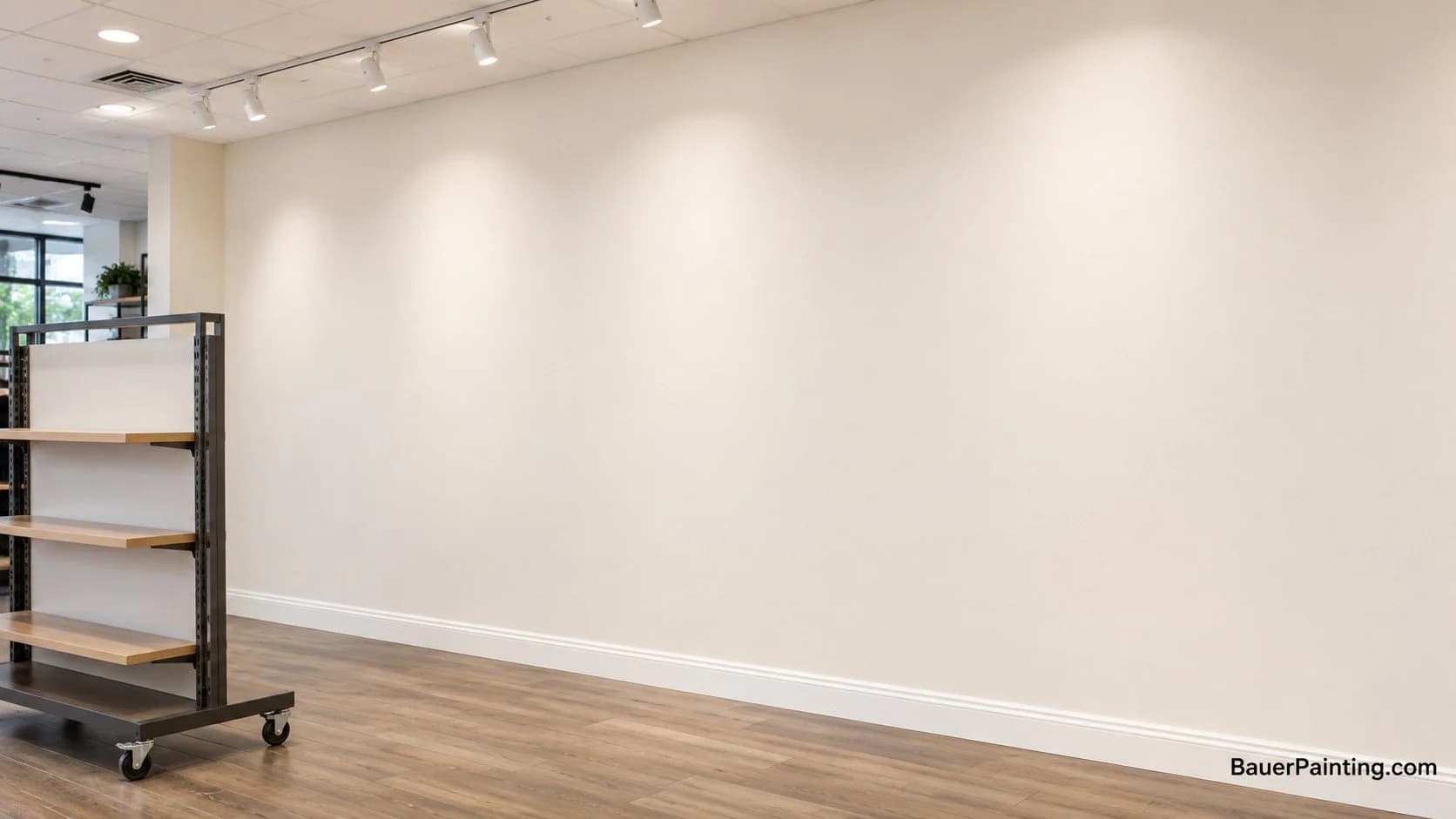
Agree a review point when the completed wall work is visible and accessible. Check it against the repair map and repaint boundaries before new fixtures obscure the area.
Look at the surfaces under the store’s normal lighting and from the positions relevant to the display layout. Record any outstanding item with its wall reference and the agreed next action.
Confirm the coating’s relevant product requirements before fixture installation, cleaning or contact with the surface. Dry to the touch should not be used as a universal readiness test for every later activity.
The fixture team should also understand how to report new installation damage. A later fixing mark should not be confused with an unresolved painting item from the earlier review.
Discuss Your Vaughan Retail Refit with Bauer Painting
Send photographs of the exposed walls, the proposed fixture layout and a short description of the changes. Identify any wall repairs or building-system questions already assigned to another contractor.
If fixtures have not yet been removed, say which conditions are still concealed. We can discuss the painting request while recognising that the final preparation scope may need review afterwards.
Our Vaughan commercial painting page provides local service information. For the repaint itself, review our retail interior painting service and share the areas you want Bauer Painting to assess.
Frequently asked questions
Should Retail Walls Be Assessed After Shelving Comes Down?
Yes. Removal can reveal conditions that were hidden during the initial discussion. Review exposed walls against the replacement layout before finalising preparation and repaint boundaries. Any earlier allowance should identify what remained concealed or provisional.
Can Paint Cover Adhesive Residue from Old Displays?
Do not assume it can. Identify the remaining material and assess its compatibility with the proposed repair and coating. Residue, raised edges and damaged facing can require different preparation. A colour coat alone does not resolve every surface defect.
Does Every Old Fixing Hole Need the Same Repair?
No. The opening, surrounding damage and wall construction matter. A small decorative defect differs from damaged board or an opening affecting a specified assembly. Ask for repairs appropriate to the actual condition rather than one treatment for all holes.
Should Painting Be Reviewed Before New Displays Are Installed?
Arrange a review while the agreed wall areas remain visible. Confirm outstanding items and relevant coating requirements before installation. Coordinate this with the fixture contractor so later installation marks can be distinguished from the completed painting work.
What Photos Help Bauer Painting Assess a Retail Refit?
Provide wide wall views, closer images of exposed defects and a labelled layout showing replacement displays. Identify the store address and removed items. Safely taken photographs support the enquiry, but concealed construction or uncertain damage may still need assessment.

Join the conversation
Have a question or a useful tip? Leave a comment for our team and readers.
Loading comments…